A Closer Look at Kensington Living
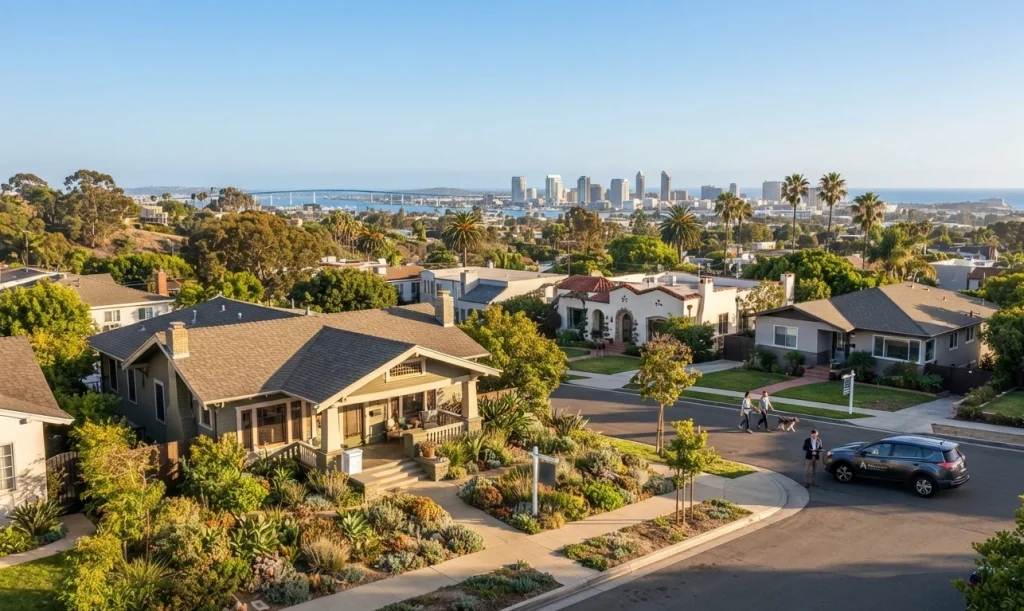
Kensington is an established San Diego neighborhood recognized for its distinctive architecture, residential streets, and traditional community atmosphere.
Located in the Mid-City area, Kensington offers a residential environment with convenient access to surrounding neighborhoods and major transportation routes.
Its housing inventory includes Spanish-inspired residences, traditional single-family homes, and properties that reflect different periods of neighborhood development.
For buyers who appreciate architectural details, established landscaping, and a neighborhood with a recognizable identity, Kensington may be worth exploring.
However, buying a home in Kensington, San Diego, involves more than selecting a property with attractive curb appeal.
A successful purchase requires an understanding of home condition, market competition, financing, neighborhood characteristics, and the responsibilities associated with owning an older residence.
This guide explains the important factors to consider before purchasing property in Kensington.
Understanding Kensington’s Location
Kensington is situated within San Diego’s Mid-City area and is connected to surrounding communities through major streets and transportation corridors.
Adams Avenue serves as the neighborhood’s recognizable commercial center.
Local businesses, restaurants, and neighborhood services contribute to the area’s character.
Residential streets extend away from the commercial district and feature a collection of established homes.
Buyers who prioritize proximity to restaurants and neighborhood establishments may prefer certain locations, while others may value streets farther from commercial activity.
Because even small location differences can influence daily living, property searches should include an evaluation of the surrounding blocks.
What Types of Homes Are Available in Kensington?
Spanish Revival and Spanish-Inspired Homes
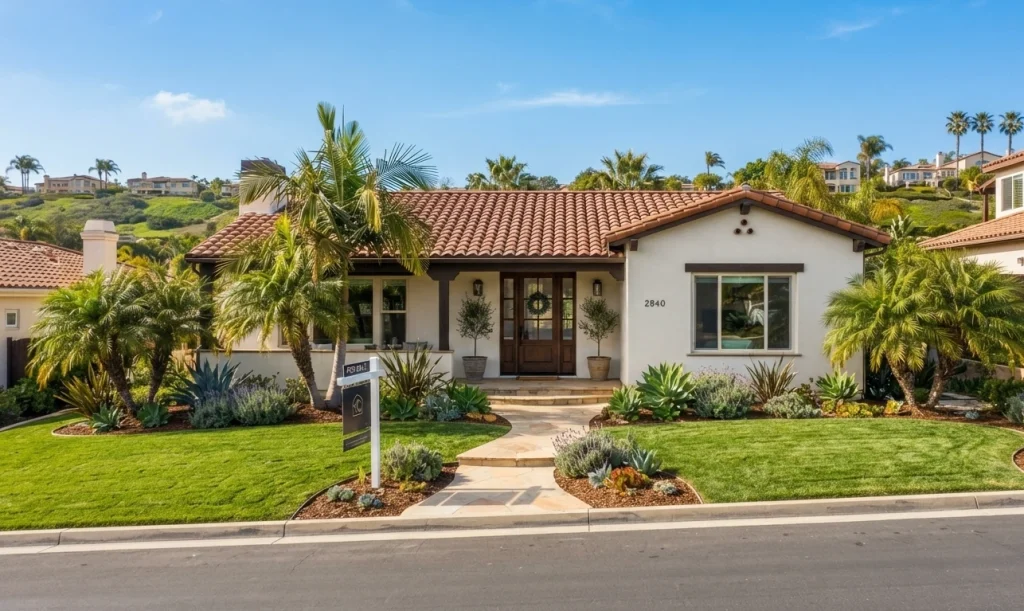
Spanish architectural influences are among Kensington’s recognizable features.
Properties may include stucco exteriors, decorative tile, arches, courtyards, and red-tile roofs.
Interior features sometimes include exposed beams, original hardwood floors, fireplaces, and architectural details associated with the period in which the home was constructed.
These elements provide visual character, but buyers should evaluate their condition carefully.
For example, tile roofing and decorative exterior materials may have different maintenance needs from contemporary construction.
Traditional Single-Family Residences
Kensington also contains homes with traditional architectural influences.
Floor plans and lot configurations vary.
Some properties provide multiple bedrooms and outdoor living areas, while others offer more compact layouts.
The neighborhood’s existing development pattern means buyers should not assume every home includes a large garage, modern floor plan, or extensive storage.
Renovated Properties
Updated homes may feature remodeled kitchens, modern bathrooms, newer building systems, or reconfigured living spaces.
Renovation quality can vary significantly.
Buyers should verify the work completed and review available permits when appropriate.
A renovated appearance does not necessarily mean all underlying systems have been replaced.
Establishing Your Homebuying Budget
Before beginning a property search, buyers should understand the full financial picture.
The purchase price is only one component of homeownership.
Mortgage payments, property taxes, insurance, maintenance, utilities, and possible association assessments can affect monthly costs.
Obtain Mortgage Preapproval
A mortgage preapproval helps establish a realistic purchase range based on income, credit, assets, and lending requirements.
Preapproval also provides sellers with information about a buyer’s financial preparation.
However, preapproval is not a final loan commitment. Financing remains subject to applicable lender conditions.
Account for Closing Costs
Buyers should prepare for expenses associated with financing, title services, escrow, inspections, and other transaction requirements.
The amount depends on the financing arrangement and purchase agreement.
Discussing estimated costs with a lender and escrow professional can reduce surprises.
Maintain a Maintenance Reserve
Older homes can require repairs after purchase.
Buyers should consider maintaining funds for unexpected expenses rather than committing every available dollar to the down payment and closing costs.
Evaluating Older Kensington Homes
Foundation and Structural Condition
A property inspection should evaluate visible structural concerns and identify conditions that may require specialized review.
Older homes may have experienced previous additions, repairs, or changes in drainage.
The inspection findings should guide any additional evaluations.
Plumbing and Electrical Systems
Some properties may contain older infrastructure, while others have undergone partial or comprehensive updates.
Buyers should understand what work has been completed and whether additional modernization may be necessary.
Roofing and Exterior Materials
Roof age, installation quality, drainage, and exterior maintenance can influence future ownership costs.
A property’s architectural style should not distract from the practical condition of its building components.
Previous Renovations
Buyers should review disclosures and available permit information for substantial improvements.
Where information is incomplete, appropriate inspections or professional evaluations can help clarify potential concerns.
How to Evaluate Kensington Home Prices
Home prices change with market conditions, and individual property values depend on more than neighborhood reputation.
Comparable sales provide a useful starting point.
A meaningful comparison should consider property size, lot area, condition, architectural characteristics, parking, and location.
For example, a fully renovated property with substantial outdoor space may not be directly comparable to a smaller home requiring extensive repairs.
Current listings can help illustrate competition, but asking prices do not necessarily represent completed market transactions.
A local market evaluation should distinguish between listing prices, pending activity, and closed sales.
Making a Competitive Offer
Once you identify a property that meets your needs, the next step is developing an offer strategy.
Review Comparable Sales
Recent transactions provide context for an appropriate purchase offer.
Market conditions, property condition, and competing buyer interest should also be considered.
Evaluate Contingencies
Purchase contingencies may address financing, inspections, appraisal, and other transaction matters.
Buyers should understand the protections provided by each contingency before agreeing to contract terms.
A competitive offer should still reflect the buyer’s financial capacity and risk tolerance.
Understand the Earnest Money Deposit
An earnest money deposit demonstrates a buyer’s commitment under the purchase agreement.
Its amount, handling, and potential disposition are governed by the contract.
Buyers should review these terms before signing.
Prepare for Negotiations
Negotiations may involve price, closing dates, repairs, credits, and other terms.
Maintaining clear priorities can help buyers respond thoughtfully rather than focusing exclusively on the asking price.
The Importance of Due Diligence
Due diligence helps buyers understand the property they are purchasing.
A typical process may include reviewing seller disclosures, conducting inspections, examining title information, and confirming financing requirements.
Additional evaluations may be appropriate depending on the property’s age, condition, and location.
Buyers considering additions or major renovations should investigate feasibility before completing the transaction.
This is particularly important when the intended improvements are essential to the decision to purchase.
Kensington Lifestyle Considerations
Choosing a home also means choosing the surrounding environment.
Buyers should consider access to daily necessities, commute patterns, outdoor recreation, and neighborhood activity.
Kensington’s established residential streets and Adams Avenue business district create different experiences depending on the address.
Parking should also be evaluated carefully, particularly for households with multiple vehicles.
Visiting properties at different times can provide useful insight into neighborhood conditions.
Planning for Long-Term Ownership
A home should support both immediate needs and anticipated changes.
Consider whether the layout offers flexibility, whether maintenance requirements fit your budget, and whether future improvements are practical.
Buyers should avoid assuming that appreciation will offset every ownership expense.
A sustainable purchase is one that remains manageable under realistic financial assumptions.
Frequently Asked Questions About Buying in Kensington
What is Kensington known for?
Kensington is known for its established residential character, Spanish-inspired architecture, and neighborhood businesses along Adams Avenue.
Are there historic homes in Kensington?
Yes. Kensington includes many older properties with distinctive architectural features. Individual construction dates and historic designations should be verified for specific homes.
Is Kensington primarily a single-family home neighborhood?
Single-family residences are a prominent part of its housing inventory, although buyers should review current listings for available property types.
What inspections should I consider?
A general home inspection is an important starting point. Depending on findings, additional plumbing, roofing, foundation, electrical, or other specialized evaluations may be appropriate.
How do I know whether a Kensington home is fairly priced?
Review recent comparable sales and account for property condition, size, improvements, lot characteristics, and current market activity.
Should I get preapproved before viewing homes?
Preapproval helps establish a realistic budget and prepares you to make an offer when an appropriate property becomes available.
Begin Your Kensington Home Search With Joe Carta
Buying a home in Kensington requires an understanding of its architectural character, neighborhood environment, and property-specific considerations.
Joe Carta can help you evaluate available homes, understand local market activity, and navigate the purchase process.
Contact Joe Carta today to discuss your Kensington homebuying goals and explore real estate opportunities throughout San Diego.