Discovering South Park’s Neighborhood Character
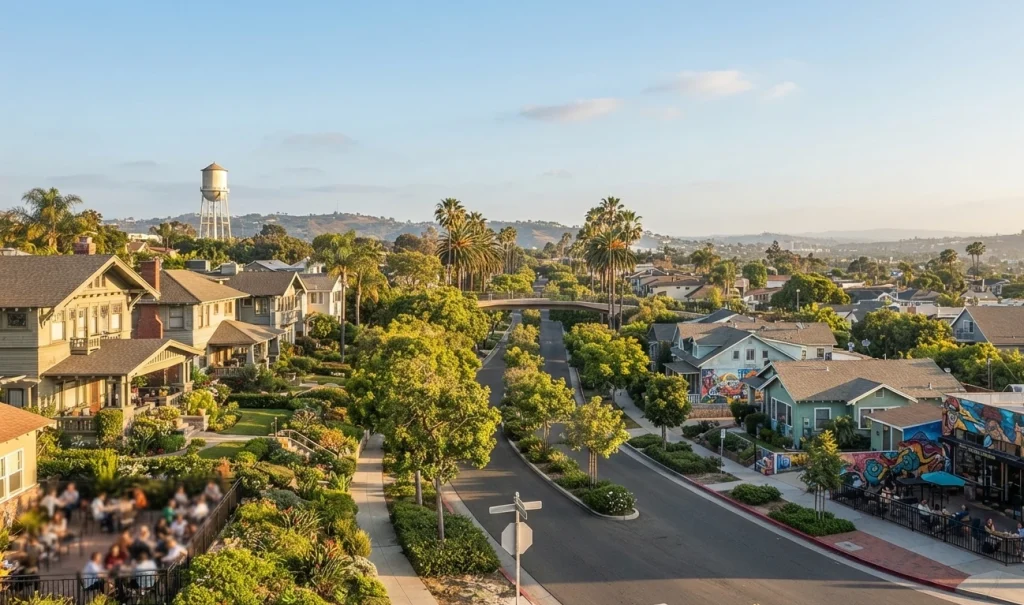
South Park is a distinctive San Diego neighborhood known for its historic residences, tree-lined streets, independent businesses, and established residential atmosphere.
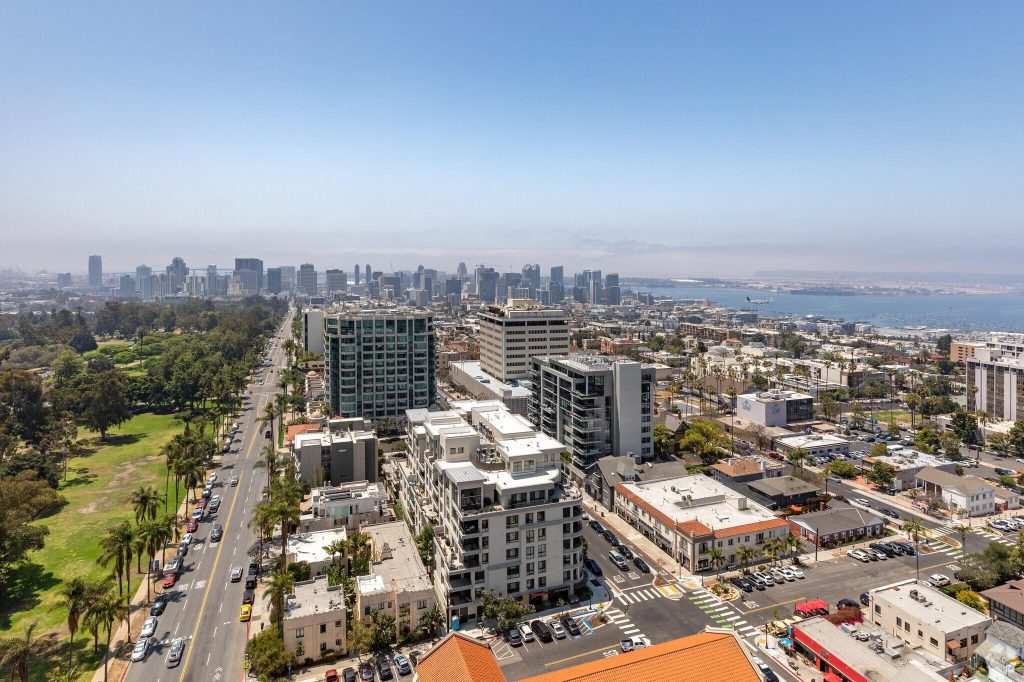
Situated near the southeastern edge of Balboa Park, South Park combines access to central San Diego with a neighborhood environment that feels closely connected to its architectural past.
For homebuyers who appreciate historic homes and locally oriented commercial areas, South Park offers an opportunity to experience an established community with a recognizable sense of place.
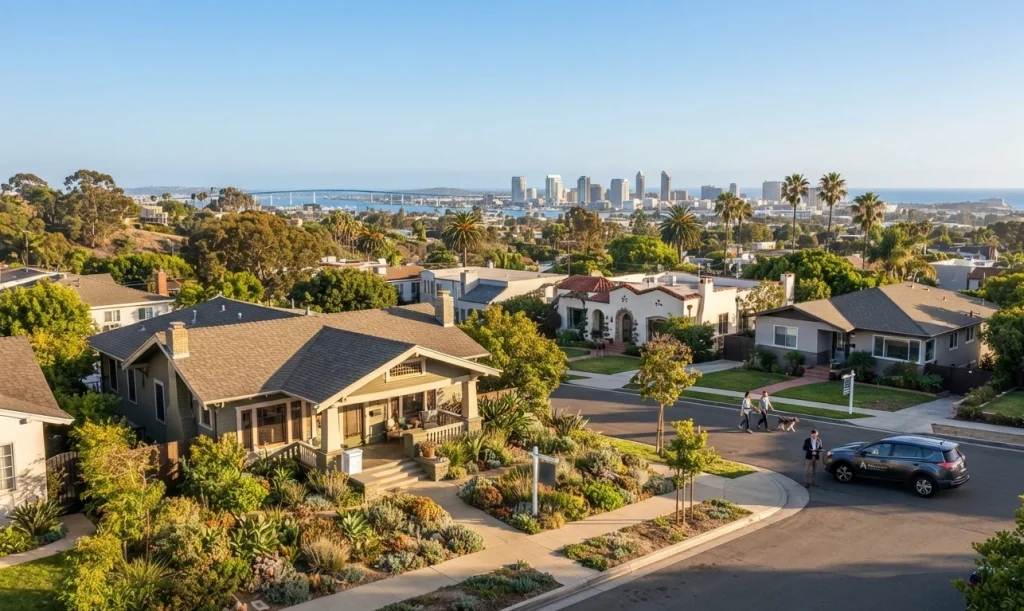
The neighborhood’s residential streets feature homes from different periods, including Craftsman-style residences and Spanish-influenced architecture. Its commercial areas include independently operated shops, cafes, restaurants, and neighborhood services.
South Park San Diego real estate appeals to buyers for different reasons. Some value architectural details and traditional floor plans, while others appreciate the neighborhood’s central location and proximity to cultural and recreational destinations.
Understanding the relationship between South Park’s homes, streets, amenities, and market conditions is important when deciding whether to purchase or sell property in the area.
Where Is South Park Located?
South Park lies southeast of Balboa Park and is commonly associated with the broader Greater Golden Hill area.
Its position provides access to nearby neighborhoods, Downtown San Diego, and major transportation routes.
The community’s commercial activity is concentrated along portions of Fern Street, 30th Street, and surrounding intersections.
These areas feature a mix of local establishments that contribute to South Park’s pedestrian-oriented character.
Residential blocks extend away from the commercial corridors, creating different experiences depending on a property’s location.
Buyers should explore the immediate surroundings of individual homes, since traffic patterns, parking availability, and proximity to businesses can vary by street.
The Appeal of Historic Homes in South Park
One of South Park’s defining characteristics is its concentration of older residences.
Many homes reflect architectural styles that were popular during San Diego’s earlier residential development.
These buildings contribute to the neighborhood’s visual continuity and give individual properties distinctive features that may be difficult to reproduce in newer construction.
Craftsman Architecture
Craftsman-style homes are an important part of South Park’s architectural identity.
Common features may include covered front porches, exposed roof elements, natural materials, wood detailing, and carefully proportioned interiors.
Some properties retain original built-ins, windows, or decorative details.
These characteristics can appeal to buyers who value craftsmanship and historic design.
However, the presence of original materials may also create maintenance considerations.
Buyers should evaluate condition and restoration needs rather than assuming that architectural character indicates recent modernization.
Spanish-Inspired Residences
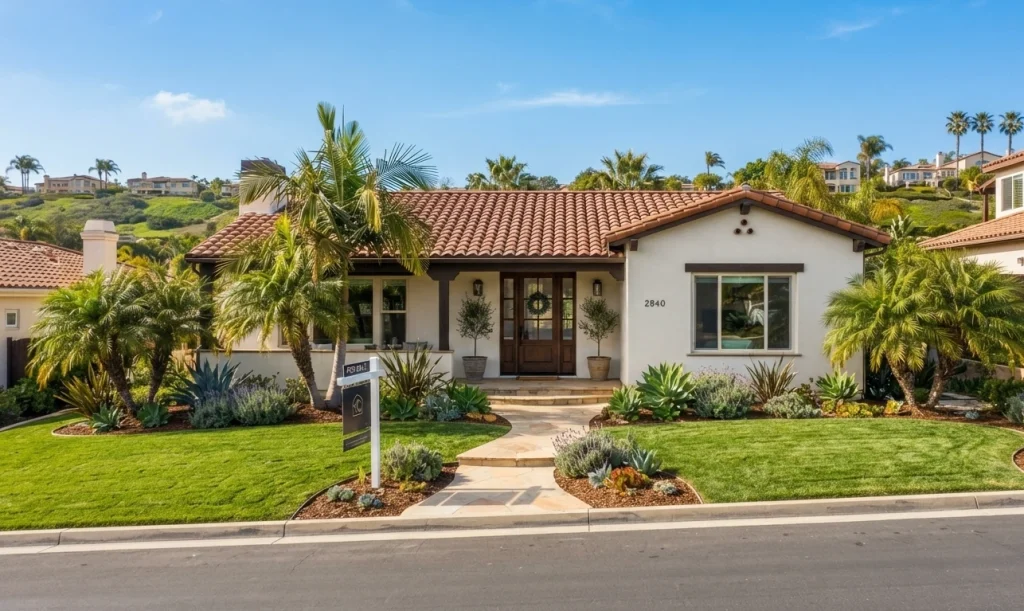
Spanish and Mediterranean design influences are also visible throughout the neighborhood.
Features may include stucco exteriors, arched openings, decorative tile, and red-tile roofing.
These architectural elements reflect broader Southern California design traditions and contribute to the variety of South Park’s housing inventory.
Updated Historic Homes
Some South Park properties combine historic exteriors with renovated interiors.
Modern kitchens, updated bathrooms, improved mechanical systems, and revised living spaces can provide contemporary functionality while preserving original architectural elements.
The extent and quality of renovations vary.
Buyers should review available documentation and inspect updates to understand what has been improved and what may require future attention.
What Is Daily Life Like in South Park?
Local Shopping and Dining
South Park’s neighborhood businesses are central to its appeal.
Residents can explore independent retailers, local dining establishments, and coffee shops without necessarily traveling to larger commercial districts.
The neighborhood’s business environment contributes to a sense of local identity.
For people who enjoy supporting independent establishments, this can be an important part of everyday living.
Access to Outdoor Recreation
South Park’s proximity to Balboa Park provides access to gardens, museums, open areas, and cultural activities.
The surrounding community also offers residential streets suitable for neighborhood walks.
Residents who prioritize outdoor recreation should evaluate a property’s location relative to the destinations they expect to use most frequently.
Community Atmosphere
South Park has a recognizable neighborhood identity supported by its residential architecture and local businesses.
Its smaller-scale commercial environment differs from areas dominated by large shopping centers or high-rise developments.
However, neighborhood experiences remain personal. Buyers should visit South Park at different times and explore the streets surrounding potential properties.
Buying a Home in South Park
Purchasing a home in South Park requires an understanding of both the property’s individual characteristics and the broader neighborhood market.
Historic residences often have features that complicate simple comparisons.
Two homes with similar square footage may differ significantly in renovation quality, original detailing, lot configuration, and maintenance requirements.
Evaluate the Property’s Condition
A thorough home inspection is especially valuable when purchasing an older residence.
Important areas include foundations, roofing, plumbing, electrical systems, drainage, and moisture management.
Buyers should also review information about previous renovations and any available permits.
The objective is not to avoid older homes, but to understand the responsibilities associated with ownership.
Review the Layout
Historic floor plans may differ from those found in contemporary construction.
Some homes feature separate living and dining areas, smaller kitchens, or fewer bathrooms.
Others have been expanded or redesigned.
Buyers should consider whether a property’s layout supports their daily routines without requiring extensive changes.
Understand Renovation Possibilities
Some buyers purchase older homes with plans for future improvements.
Before relying on renovation potential, review applicable zoning, property restrictions, permit requirements, and feasibility.
Historic resources or other property-specific considerations may affect proposed exterior alterations or additions.
A qualified professional can help clarify requirements before a buyer commits to a particular project.
Compare Similar Properties
Accurate market analysis should consider comparable homes with similar architectural characteristics, condition, location, and lot features.
A thoughtfully renovated historic property should not automatically be compared with an unrenovated home simply because both contain a similar number of bedrooms.
Selling a Historic South Park Home
Selling an older home requires a strategy that communicates its appeal without overlooking practical buyer concerns.
Present the Home’s Distinctive Features
Original woodwork, covered porches, architectural details, and established landscaping can help distinguish a property.
Photography should present these elements clearly while showing how the home functions as a complete living environment.
Explain Improvements Accurately
Documented upgrades can help buyers understand the home’s condition and maintenance history.
Sellers should distinguish between cosmetic changes and substantial system improvements.
Clear property information can support informed purchase decisions.
Price According to Relevant Comparables
South Park homes can vary considerably.
Pricing should account for condition, size, lot characteristics, parking, renovation quality, and recent comparable transactions.
A property-specific evaluation is more useful than relying only on broad neighborhood averages.
South Park Compared With Nearby Neighborhoods
South Park shares some characteristics with North Park, Golden Hill, and other central San Diego communities, but its atmosphere and housing inventory are not identical.
North Park offers extensive commercial activity along several major corridors.
Golden Hill provides another collection of historic residential properties and convenient access to central San Diego.
South Park is often associated with a smaller-scale neighborhood business environment and established residential streets.
These distinctions are descriptive rather than absolute. Each community includes individual blocks with different characteristics.
Buyers considering multiple neighborhoods should compare specific properties and the daily experiences each location provides.
Long-Term Homeownership in South Park
Owning a historic home can involve ongoing maintenance and preservation decisions.
Exterior materials, older windows, roofing, landscaping, and building systems may require specialized attention.
Maintaining documentation of repairs and improvements can be useful for future ownership decisions and eventual resale.
Homeowners should also monitor local market activity without assuming that every property experiences the same value changes.
Individual home values depend on a combination of property-specific and market-wide factors.
Frequently Asked Questions About South Park Real Estate
What is South Park known for?
South Park is known for historic homes, tree-lined streets, independent businesses, and proximity to Balboa Park.
Are most homes in South Park older properties?
The neighborhood contains a notable collection of historic residences, although property ages and styles vary. Buyers can also encounter updated homes and other residential property types.
What should buyers consider when purchasing a historic home?
Important considerations include structural condition, building systems, renovation history, maintenance requirements, and potential property-specific restrictions.
Is South Park close to Downtown San Diego?
South Park is located within central San Diego and provides access to Downtown through surrounding streets and transportation routes. Actual travel time varies with traffic and the property’s location.
How should I price my South Park home?
Pricing should consider recent comparable sales, architectural characteristics, condition, improvements, parking, and current market competition.
Can I renovate a historic South Park property?
Renovation possibilities depend on the property’s characteristics and applicable requirements. Buyers should verify restrictions, permits, and feasibility before proceeding.
Find Your Place in South Park With Joe Carta
Whether you are drawn to South Park’s architectural history, neighborhood businesses, or central location, choosing the right property requires careful consideration.
Joe Carta can help you understand available homes, compare local real estate opportunities, and prepare for the buying or selling process.
Contact Joe Carta today to explore South Park real estate and discover properties that align with your goals.